The House That Counts
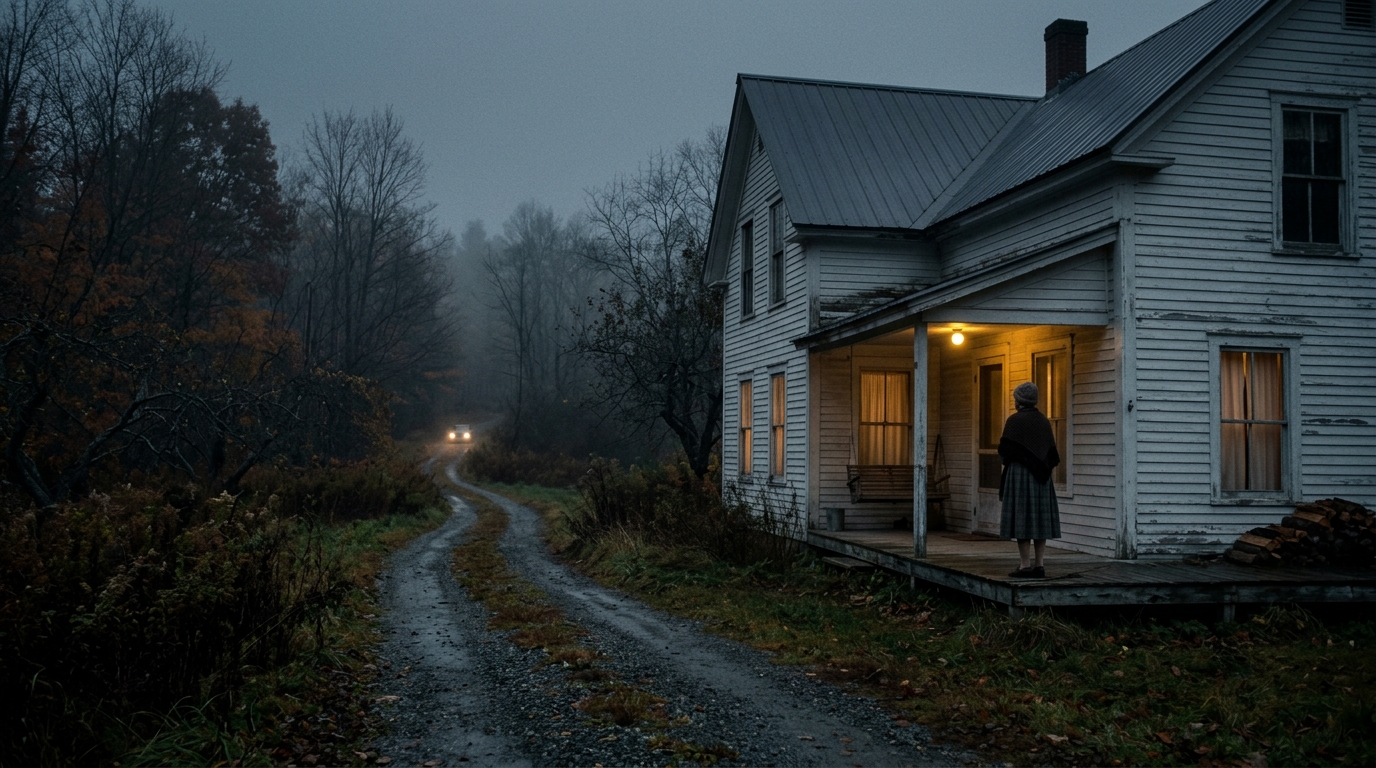
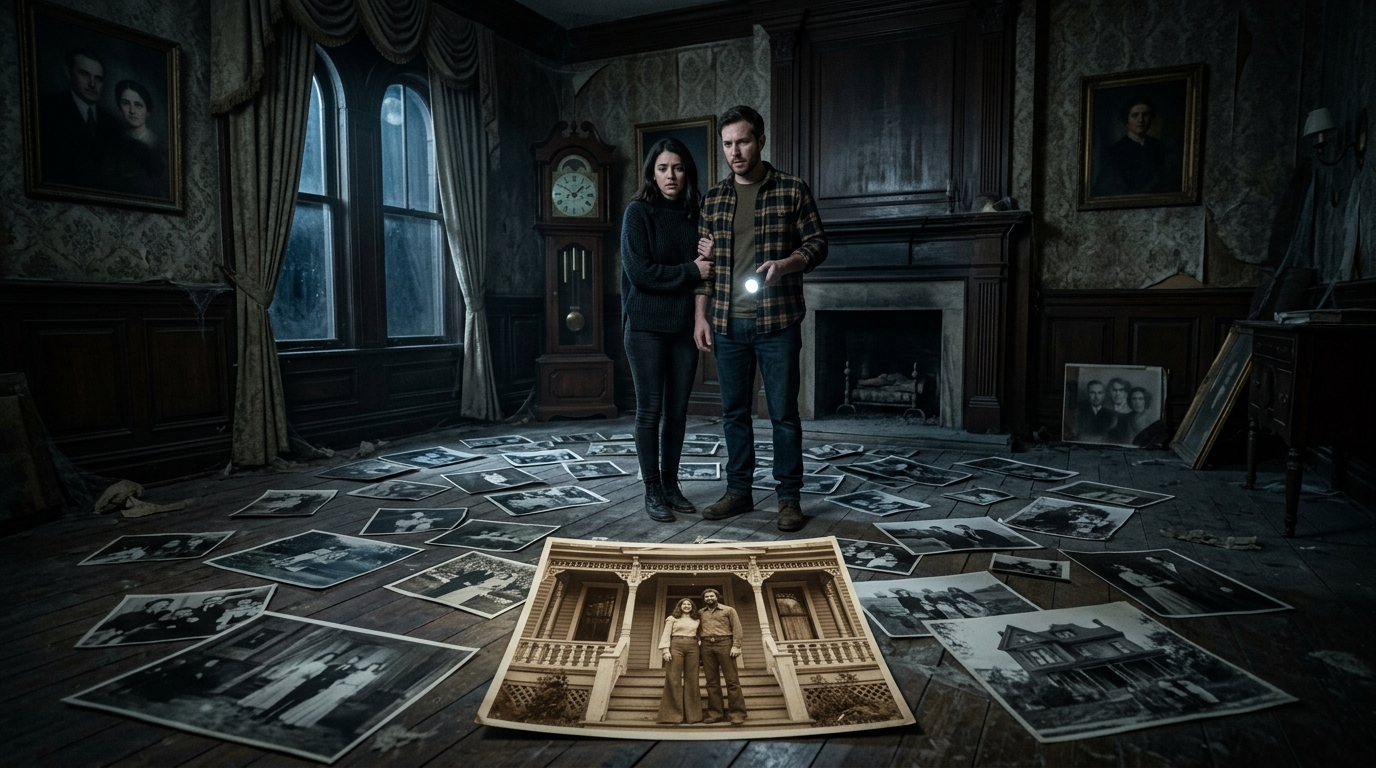
Margaret's grandmother left her the farmhouse. Nothing else. No letter. No explanation.
The realtor met her at the gate. He handed over the keys. "Thirteen rooms," he said. "Big place for one person."
Margaret walked through it that afternoon. Kitchen. Living room. Study. Four bedrooms upstairs. Two bathrooms. A pantry. A mudroom. An attic. A cellar.
She counted twice.
Twelve.
She called the realtor. He apologized. Said he must have misspoken. Margaret let it go.
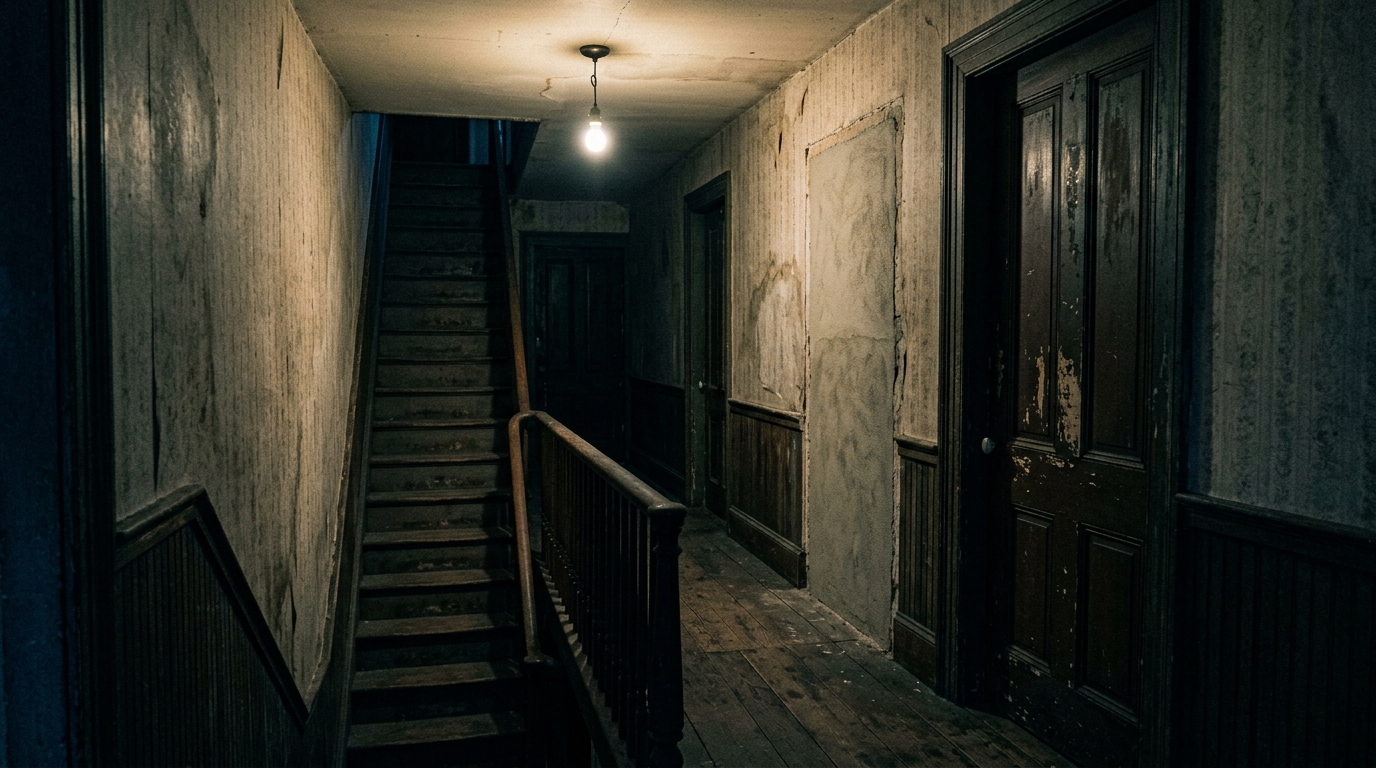
That night, she heard footsteps on the stairs. Slow. Even. Stopping halfway up.
She checked. No one there.
The footsteps came back the next night. And the next. Always stopping in the same place. Halfway between the eleventh step and the twelfth.
Margaret began sleeping with the hallway light on.
One evening, cleaning out the study, she found a floor plan. Yellowed. Rolled tight with twine. Her grandmother's handwriting labeled each room.
She counted the labels.
Thirteen.
The thirteenth was drawn between the stairwell and the second-floor hallway. A room with no door marked on the plan. Just four walls and a single word written inside them.
Hers.
Margaret went to the stairs. She placed her hand against the wall where the room should be. It was cold. Colder than the rest of the house.
She knocked once.
Something knocked back.
Margaret didn't call anyone. She didn't hire anyone to open the wall. She simply stopped walking past that spot at night.
She lived in the house for six years. Every night, at the same hour, she heard footsteps climb to the twelfth step and stop.
Every night, she said the same thing into the dark.
"Not yet."
When Margaret sold the house, she told the new owners about twelve rooms. She never mentioned the thirteenth.
Some inheritances aren't meant to be explained. They're meant to be kept quiet, and kept fed.
Every old house keeps one room for itself. The trick is never learning which one.